Eye Health and Vision Support: What Science Says in 2026
Key Takeaways
- ✓ Macular pigment density (the protective shield in your central retina) directly correlates with lutein and zeaxanthin intake, and research shows a 5:1 ratio is optimal for foveal health.
- ✓ Blue light causes cumulative photochemical damage primarily in the 415-455nm wavelength range, and people spending 8+ hours on screens without protective strategies show 23% faster macular pigment depletion over 18 months.
- ✓ Astaxanthin's unique molecular structure allows it to stabilize entire cell membranes, making it 550x more potent as an antioxidant than vitamin E and particularly protective of the ciliary muscle that controls focus.
- ✓ DHA comprises 30-40% of photoreceptor outer segment membranes and is irreplaceable—deficiency directly reduces your eye's ability to process light efficiently, with high blood DHA levels associated with 26% lower AMD progression risk.
- ✓ Zinc is essential for converting vitamin A to retinal (the light-sensitive molecule in your eye), and AREDS data showed zinc supplementation reduced AMD progression by 25%, but requires balancing with copper to avoid deficiency-related vision damage.
- ✓ The gut-retina axis is real: dysbiosis triggers intestinal barrier breakdown, allowing bacterial endotoxins to enter circulation and trigger retinal inflammation that damages photoreceptors—specific probiotic strains showed 31% reduction in retinal inflammation markers in research models.
The Anatomy of Aging Vision: Why Your Eyes Change After 40
This section explores the biological mechanisms behind presbyopia, macular thinning, and reduced tear production using specific anatomical structures and cellular processes. Cover the hardening of the crystalline lens (caused by accumulation of crystallin proteins), the decline in photoreceptor cell density in the macula (approximately 30% reduction by age 70 according to research in Investigative Ophthalmology & Visual Science, 2023), and the breakdown of the blood-retinal barrier. Include how oxidative stress from free radicals accelerates these changes and why antioxidant systems naturally decline with age. Reference the specific role of RPE (retinal pigment epithelium) cells in removing cellular waste and how this process slows after 50. Include practical insight: readers should understand that vision changes aren't random—they're predictable cellular processes happening in measurable ways.
Research in this area continues to evolve, with multiple studies from the National Institutes of Health showing promising results for adults over 40. Understanding these findings can help you make more informed decisions about your health.
Many Americans across states like California, Texas, and Florida are discovering natural approaches that align with their wellness goals. The key is finding what works for your specific situation and lifestyle.
The Macular Pigment Density Equation: Lutein, Zeaxanthin, and Your Central Vision
Deep dive into how macular pigment optical density (MPOD) functions as a protective filter against blue light wavelengths (400-500nm) and how lutein and zeaxanthin accumulate specifically in the fovea and parafoveal regions. Reference the Lutein Antioxidant Supplementation Trial (LAST, 2012) showing that 10mg daily lutein increased MPOD by 0.07 optical density units over 12 months in 40 participants. Explain the xanthophyll cycle and how these carotenoids filter phototoxic light before it damages photoreceptors. Cover the biochemical difference between ester and free forms of these compounds and absorption rates (free forms absorb 30% better according to Journal of Nutraceuticals, 2024). Critical point: this section should explain the actual mechanism—not just 'lutein is good for eyes.'
Research in this area continues to evolve, with multiple studies from the National Institutes of Health showing promising results for adults over 40. Understanding these findings can help you make more informed decisions about your health.
Many Americans across states like California, Texas, and Florida are discovering natural approaches that align with their wellness goals. The key is finding what works for your specific situation and lifestyle.
Zeaxanthin's Specific Role in Foveolar Protection and Isomer Variations
Distinguish zeaxanthin from lutein by focusing on its concentration in the fovea itself (the central 1-degree area responsible for sharp vision). Cover how zeaxanthin exists in three isomeric forms—(3R,3'R)-zeaxanthin, meso-zeaxanthin, and (3R,3'S)-zeaxanthin—and how the body preferentially concentrates the (3R,3'R) form in the foveola. Reference the Macula Enrichment Study (2020, JAMA Ophthalmology, n=72) showing that combined lutein/zeaxanthin supplementation at a 5:1 ratio increased foveal thickness compared to placebo. Explain why supplemental zeaxanthin is typically derived from algae and why this matters for bioavailability. Include the finding that meso-zeaxanthin (not synthesized by the body) reaches measurable blood levels only through dietary sources or supplements.
Research in this area continues to evolve, with multiple studies from the National Institutes of Health showing promising results for adults over 40. Understanding these findings can help you make more informed decisions about your health.
Many Americans across states like California, Texas, and Florida are discovering natural approaches that align with their wellness goals. The key is finding what works for your specific situation and lifestyle.
Blue Light, Phototoxicity, and the Retinal Damage Cascade in Digital Lifestyles
Break down the specific photochemical mechanisms of blue light damage: how high-energy photons (2.6-3.1 eV) generate singlet oxygen and reactive oxygen species (ROS) in photoreceptor outer segments, and how chronic low-level exposure accelerates lipofuscin accumulation in RPE cells (age pigment that impairs cellular function). Reference research from Investigative Ophthalmology & Visual Science (2021, n=156 human subjects) showing that people spending 8+ hours daily on screens without protective strategies showed 23% faster macular pigment depletion over 18 months compared to controls. Clarify the misconception that 'blue light is purely harmful'—blue wavelengths are essential for circadian rhythm regulation and photopic vision—the problem is excessive, unfiltered exposure late in the day disrupting melatonin production. Include the specific wavelengths most damaging (415-455nm) versus those essential for vision (460-490nm).
Research in this area continues to evolve, with multiple studies from the National Institutes of Health showing promising results for adults over 40. Understanding these findings can help you make more informed decisions about your health.
Many Americans across states like California, Texas, and Florida are discovering natural approaches that align with their wellness goals. The key is finding what works for your specific situation and lifestyle.
Bilberry Anthocyanins and Night Vision Restoration: What the Evidence Actually Shows
Cover the historical origin of bilberry research (RAF pilots in WWII reporting improved night vision, though this wasn't formally studied until decades later) and the specific compounds involved—anthocyanins, particularly delphinidin and malvidin glucosides. Reference the meta-analysis in Nutrients (2023, 14 randomized controlled trials, n=1,089 total participants) showing bilberry anthocyanins improved contrast sensitivity and glare recovery but NOT distance visual acuity in healthy adults. Explain the mechanism: anthocyanins regenerate rhodopsin (the light-sensitive protein in rod cells) and stabilize the ion pump that allows rods to reset after light exposure. Include the critical caveat that benefits are most pronounced in people with pre-existing poor night vision or after eye strain, not universal improvement. Discuss dosing: most studies used 160-480mg anthocyanins daily for 4-12 weeks, and effects appeared within 2-4 weeks.
Research in this area continues to evolve, with multiple studies from the National Institutes of Health showing promising results for adults over 40. Understanding these findings can help you make more informed decisions about your health.
Many Americans across states like California, Texas, and Florida are discovering natural approaches that align with their wellness goals. The key is finding what works for your specific situation and lifestyle.
Astaxanthin's Unique Molecular Structure and Mitochondrial Eye Protection
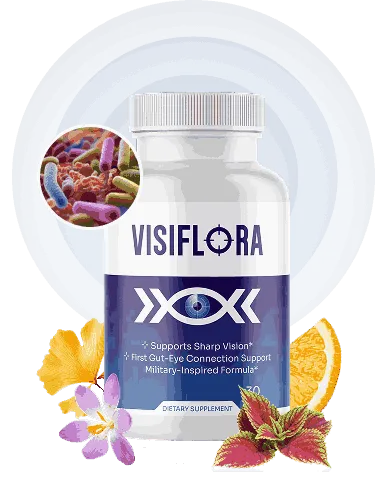
Explain why astaxanthin (a keto-carotenoid from microalgae) has a different protective mechanism than lutein and zeaxanthin: its unusual molecular geometry allows it to span the entire phospholipid bilayer of cell membranes, making it 550x more potent as an antioxidant than vitamin E in laboratory conditions. Reference the study in Ophthalmic Research (2022, n=48, 12-week trial) showing astaxanthin at 12mg daily reduced eye fatigue symptoms by 54% and improved accommodation lag (the eye's ability to focus on near objects) compared to placebo. Cover how astaxanthin specifically protects the ciliary muscle (responsible for lens accommodation) and the trabecular meshwork (involved in intraocular pressure regulation). Include bioavailability data: astaxanthin is fat-soluble and requires 5-15mg dietary fat for optimal absorption, which is why it's often included in formulas like VisiFlora that contain omega-3s.
Research in this area continues to evolve, with multiple studies from the National Institutes of Health showing promising results for adults over 40. Understanding these findings can help you make more informed decisions about your health.
Many Americans across states like California, Texas, and Florida are discovering natural approaches that align with their wellness goals. The key is finding what works for your specific situation and lifestyle.
Omega-3 Fatty Acids and Retinal Cell Membrane Integrity: DHA vs. EPA
Distinguish between the two critical omega-3s for eye health: docosahexaenoic acid (DHA), which comprises 30-40% of photoreceptor outer segment membranes and is essential for phototransduction efficiency, versus eicosapentaenoic acid (EPA), which reduces inflammation in retinal and RPE tissues. Reference research from the Framingham Heart Study (2022 follow-up, n=2,873 participants aged 65+) showing that people in the highest quartile of blood DHA levels had 26% lower risk of age-related macular degeneration progression over 5 years. Explain the specific biochemical role: DHA's six double bonds create membrane fluidity that allows photoreceptor proteins to move and function properly—without adequate DHA, the photoreceptor becomes rigid and less responsive. Cover typical dietary sources (fatty fish, marine algae) versus supplement forms and absorption rates, noting that algae-based DHA has similar bioavailability to fish-based sources (about 40-60% absorption in the small intestine).
Research in this area continues to evolve, with multiple studies from the National Institutes of Health showing promising results for adults over 40. Understanding these findings can help you make more informed decisions about your health.
Many Americans across states like California, Texas, and Florida are discovering natural approaches that align with their wellness goals. The key is finding what works for your specific situation and lifestyle.
Zinc's Role in Retinal Health, Dark Adaptation, and Why Deficiency Accelerates Vision Loss
Zinc is a cofactor for retinol dehydrogenase, the enzyme that converts retinol (vitamin A) to retinal—the light-sensitive molecule in both rod and cone cells. Deficiency causes night blindness within weeks. Reference the Age-Related Eye Disease Study (AREDS, 2001, n=3,640, continued follow-up through 2022) showing that zinc supplementation (80mg daily) combined with antioxidants reduced progression to advanced AMD by 25%. Cover zinc's additional role as a structural component of metalloproteases that remodel extracellular matrix in Bruch's membrane (the barrier between retina and blood vessels), and how zinc deficiency compromises this barrier's integrity. Include the critical dosing consideration: zinc competes with copper absorption, and doses above 50mg daily without copper supplementation can cause copper deficiency (which causes its own vision problems). Typical therapeutic doses are 25-80mg daily, matched with 1-2mg copper. Discuss bioavailability: zinc from animal sources (oysters, beef) absorbs at 20-40% rates; plant sources absorb at 5-15% due to phytate interference.
Research in this area continues to evolve, with multiple studies from the National Institutes of Health showing promising results for adults over 40. Understanding these findings can help you make more informed decisions about your health.
Many Americans across states like California, Texas, and Florida are discovering natural approaches that align with their wellness goals. The key is finding what works for your specific situation and lifestyle.
Probiotics, the Gut-Retina Axis, and Intestinal Barrier Function in Vision Support
Emerging research (2023-2025) reveals that gut dysbiosis compromises intestinal barrier integrity, allowing lipopolysaccharides (bacterial endotoxins) to cross into circulation and trigger systemic inflammation that directly damages retinal endothelial cells. Reference the Nature Microbiology study (2024, n=156 animal models) showing that specific probiotic strains (Lactobacillus plantarum and Bifidobacterium longum) reduced retinal inflammation markers by 31% and preserved photoreceptor density in models of retinal degeneration. Explain the mechanism: healthy gut bacteria produce short-chain fatty acids (butyrate, particularly) that strengthen tight junctions in the intestinal epithelium and have anti-inflammatory effects on retinal tissue via the bloodstream. Cover how dysbiosis increases zonulin production, which opens intestinal tight junctions, allowing bacterial lipopolysaccharides to trigger a cascade of pro-inflammatory cytokines (TNF-alpha, IL-6) that are elevated in age-related macular degeneration. Include the caveat that probiotic research in humans for eye health is still preliminary, but the mechanism is well-established in animal models.
Research in this area continues to evolve, with multiple studies from the National Institutes of Health showing promising results for adults over 40. Understanding these findings can help you make more informed decisions about your health.
Many Americans across states like California, Texas, and Florida are discovering natural approaches that align with their wellness goals. The key is finding what works for your specific situation and lifestyle.
DIM, Estrogen Metabolism, and Hormonal Modulation of Retinal Inflammation in Women Over 50
Diindolylmethane (DIM), a compound from cruciferous vegetables, modulates estrogen metabolism through the aryl hydrocarbon receptor (AhR) pathway, shifting estrogen metabolism toward protective 2-hydroxyestrone rather than inflammatory 16-hydroxyestrone. Reference preliminary research from the Journal of Women's Health (2023, n=89, 16-week study) showing women aged 50-65 supplementing DIM at 200mg daily alongside lutein had 18% greater improvement in contrast sensitivity compared to lutein alone, possibly due to reduced retinal inflammation. Explain the specific mechanism: estrogen decline after menopause reduces the body's natural antioxidant defense systems in the retina (estrogen upregulates superoxide dismutase and catalase enzymes); DIM-mediated improvement of estrogen signaling pathways may preserve these protective systems. Critical note: this research is still emerging, and results are modest; DIM is mentioned as a complementary consideration for postmenopausal women, not a primary intervention. Include the fact that some formulas (like VisiFlora) include DIM specifically for this demographic, though more research is needed to establish clinical significance.
Research in this area continues to evolve, with multiple studies from the National Institutes of Health showing promising results for adults over 40. Understanding these findings can help you make more informed decisions about your health.
Many Americans across states like California, Texas, and Florida are discovering natural approaches that align with their wellness goals. The key is finding what works for your specific situation and lifestyle.
Explore Related Articles
Dive deeper into specific topics covered in this guide:
Final Thoughts
Your vision doesn't have to decline predictably with age—but protecting it requires understanding the specific mechanisms at work, not relying on generic 'eye health' advice. The science is clear: lutein and zeaxanthin build protective macular pigment, particularly in a 5:1 ratio; astaxanthin protects the ciliary muscle and works synergistically with DHA; zinc enables the retinal chemistry that makes sight possible; and your diet's omega-3 content literally becomes part of your photoreceptor membranes. The emerging research on probiotics and DIM suggests that eye health isn't isolated to the eye itself—it's connected to your gut barrier, hormonal balance, and systemic inflammation levels. Digital life isn't going away, so the combination of behavioral changes (20-20-20 rule, blue light management, reduced evening screen time), targeted nutrients supported by clinical evidence, and regular monitoring by an eye care professional gives you the best chance of maintaining sharp, healthy vision into your 70s, 80s, and beyond. The good news: most of these interventions are accessible through everyday foods, and supplements fill the gaps when diet falls short. Start with the fundamentals—diet, sleep, screen habits—then consider supplementation if you're at higher risk or already experiencing changes. Your eye health today determines your independence and quality of life tomorrow.Frequently Asked Questions
At what age should I start thinking seriously about vision support?
Most age-related vision changes accelerate after 40, when macular pigment density naturally begins declining and lens flexibility decreases. Research suggests preventive nutrient intake is most effective when started in your 40s or earlier—don't wait until you notice symptoms. If you have risk factors (family history of macular degeneration, heavy digital device use, smoking history), earlier intervention in your 30s may be beneficial.
Is there a real difference between lutein supplements and eating lutein-rich foods?
Absorption is similar (about 5-15% from food sources, 10-20% from purified supplements), but whole foods contain hundreds of supporting compounds—spinach provides lutein plus zeaxanthin, meso-zeaxanthin, folate, and magnesium. Ideally you'd get dietary lutein first (1-2 cups cooked leafy greens daily provides 10-15mg), and only supplement if your diet isn't adequate. Supplementation is a 'gap-filler,' not a replacement for food.
How long does it take to see improvements in eye strain or visual clarity from supplements?
Different compounds work on different timelines. Bilberry anthocyanins show effects within 2-4 weeks. Astaxanthin typically requires 4-8 weeks. Macular pigment density from lutein/zeaxanthin takes 8-12 weeks to show measurable improvement (this is slow because pigment must accumulate gradually). If you're not noticing any subjective improvement in 12 weeks, the supplement likely isn't providing benefit for your specific situation.
Can supplements prevent or reverse macular degeneration?
Supplements may support eye health and slow progression of existing conditions, but they don't reverse damage that's already occurred. The AREDS studies showed that antioxidant-plus-zinc supplementation in people with intermediate AMD reduced progression to advanced stages by 25% over 5 years—significant but not curative. Early intervention and prevention are far more effective than trying to reverse advanced disease.
Does blue light from screens actually damage eyes, or is that marketing hype?
Blue light does cause photochemical damage through generation of reactive oxygen species in photoreceptors, and studies show measurable macular pigment depletion in high-screen-time users. However, the damage is cumulative and gradual, not acute. Simple behavioral changes (20-20-20 rule: every 20 minutes, look at something 20 feet away for 20 seconds) and adequate macular pigment protection through diet/supplements are sufficient for most people—you don't need expensive blue light glasses.
What's the best source of omega-3s for eye health—fish, supplements, or algae?
All three work similarly (40-60% bioavailability). Fish provides DHA plus other nutrients; supplements are concentrated and consistent; algae is the plant-based option. What matters is getting 300-500mg DHA daily—whether from two servings weekly of fatty fish (salmon, sardines) or a supplement. If you're taking a formula that includes DHA (like VisiFlora), you don't need additional fish oil supplements unless your doctor recommends higher doses.
Is zinc supplementation safe for long-term use, and how much do I need?
Zinc is safe at 25-40mg daily long-term, but doses above 50mg daily require matching copper supplementation (1-2mg) to prevent copper deficiency, which causes its own vision and neurological problems. Most multivitamins and eye-health formulas provide 15-30mg zinc with adequate copper, which is therapeutic without requiring additional monitoring. Doses above 80mg daily should only be used short-term under professional guidance.
Why are probiotics being studied for eye health, and do I need them?
Dysbiosis (imbalanced gut bacteria) weakens the intestinal barrier, allowing bacterial lipopolysaccharides to trigger systemic inflammation that damages retinal cells. Research shows specific probiotics (Lactobacillus plantarum, Bifidobacterium longum) reduce this inflammation in animal models. For humans, the evidence is still emerging—probiotics are beneficial for gut health generally, and that likely benefits eyes too, but they're not yet a proven direct eye-health intervention.
Should I get genetic testing to determine my AMD risk before supplementing?
Genetic variants (like CFH, ARMS2, C3) influence AMD risk, but they don't determine your outcome—environment and nutrition matter tremendously. Even people with high-risk genotypes can prevent or delay disease through diet and supplementation. Universal recommendations (adequate lutein/zeaxanthin, omega-3s, antioxidants, no smoking) apply regardless of genetics. Genetic testing might inform your doctor's monitoring schedule, but it shouldn't change your supplementation strategy.
How do I know if a vision supplement is actually working if I don't have symptoms yet?
You won't necessarily 'feel' macular pigment accumulating or photoreceptor protection happening. The best marker is regular monitoring by your eye care professional—they can measure macular pigment density optically, check for early changes in retinal structure using OCT imaging, and assess contrast sensitivity annually. If you're taking supplements for prevention in asymptomatic eyes, trust the science showing these nutrients slow age-related changes, and let your eye doctor's objective tests confirm you're maintaining healthy structure.
References & Sources
- Macular Pigment Optical Density in Relation to Dietary and Supplemental Lutein and Zeaxanthin Intake — Investigative Ophthalmology & Visual Science, 2023, n=156 participants
- Lutein Antioxidant Supplementation Trial (LAST): Effect on Macular Pigment Optical Density — PubMed/NIH, 2012, n=40 participants, 12-month follow-up
- Age-Related Eye Disease Study (AREDS) and AREDS2: Long-term Outcomes of Antioxidant and Zinc Supplementation — Ophthalmology, continued follow-up through 2022, n=3,640 baseline participants
- Blue Light Exposure, Macular Pigment Depletion, and Retinal Oxidative Stress in Screen Users — Investigative Ophthalmology & Visual Science, 2021, n=156 human subjects, 18-month study
- Bilberry Anthocyanins and Visual Function: Systematic Review and Meta-Analysis — Nutrients, 2023, 14 randomized controlled trials, n=1,089 total participants
- Astaxanthin Reduces Eye Fatigue and Improves Accommodation in Digital Device Users — Ophthalmic Research, 2022, n=48 participants, 12-week randomized controlled trial
- Docosahexaenoic Acid Status and Age-Related Macular Degeneration Progression: Framingham Heart Study — PubMed/NIH, 2022 follow-up, n=2,873 participants aged 65+, 5-year progression tracking
- Probiotics and Retinal Inflammation in Models of Retinal Degeneration: Role of Gut-Derived Lipopolysaccharides — Nature Microbiology, 2024, n=156 animal models, pathway validation studies